Sometimes the signs are there: wet litter, uneven growth or livestock that are simply not performing as expected. But intestinal disorders are not always easy to spot. They can affect how your animals digest feed, absorb nutrients and maintain their natural defences before you notice a clear difference in health or performance.
Intestinal disorders
Intestinal disorders don’t wait for visible signs to affect your animals
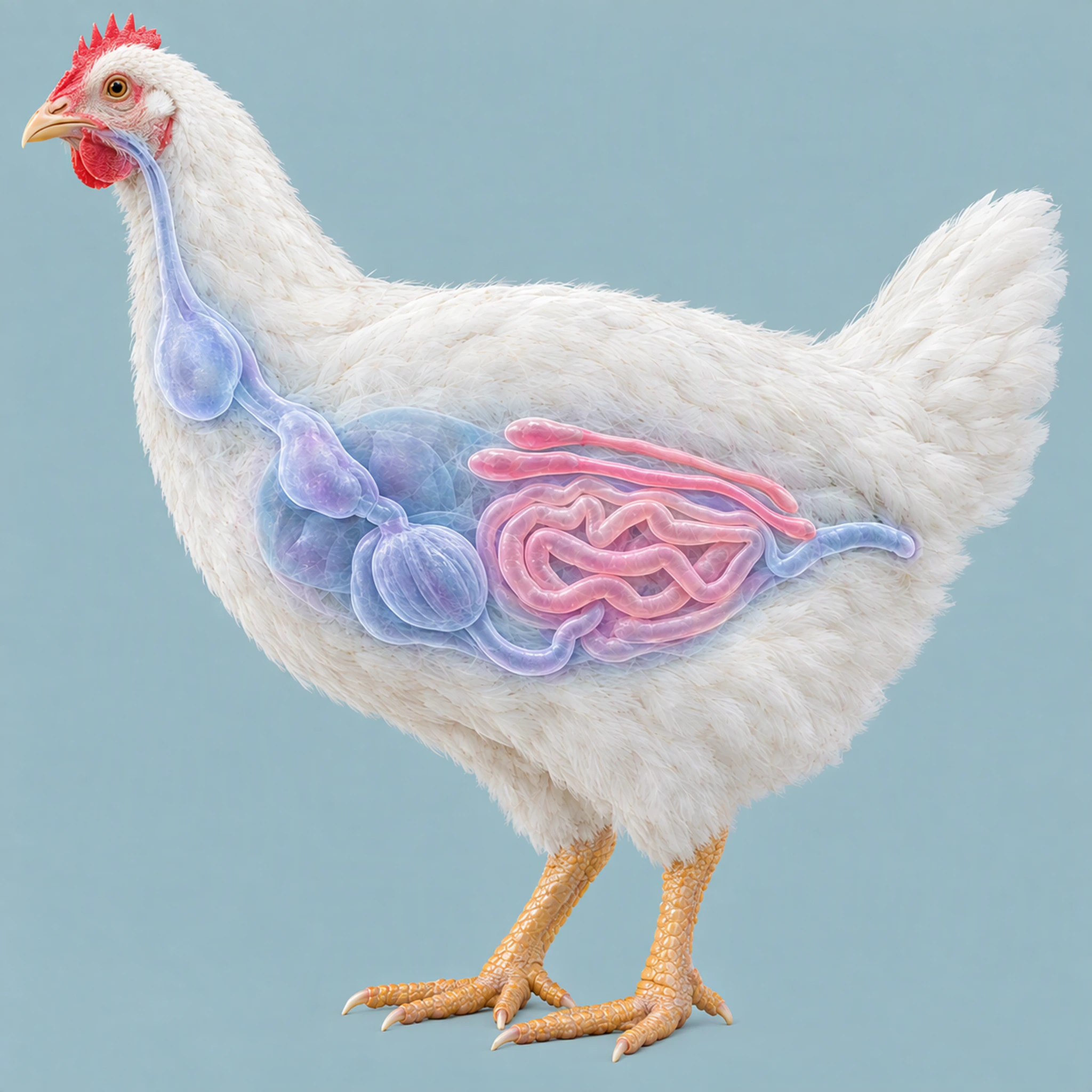
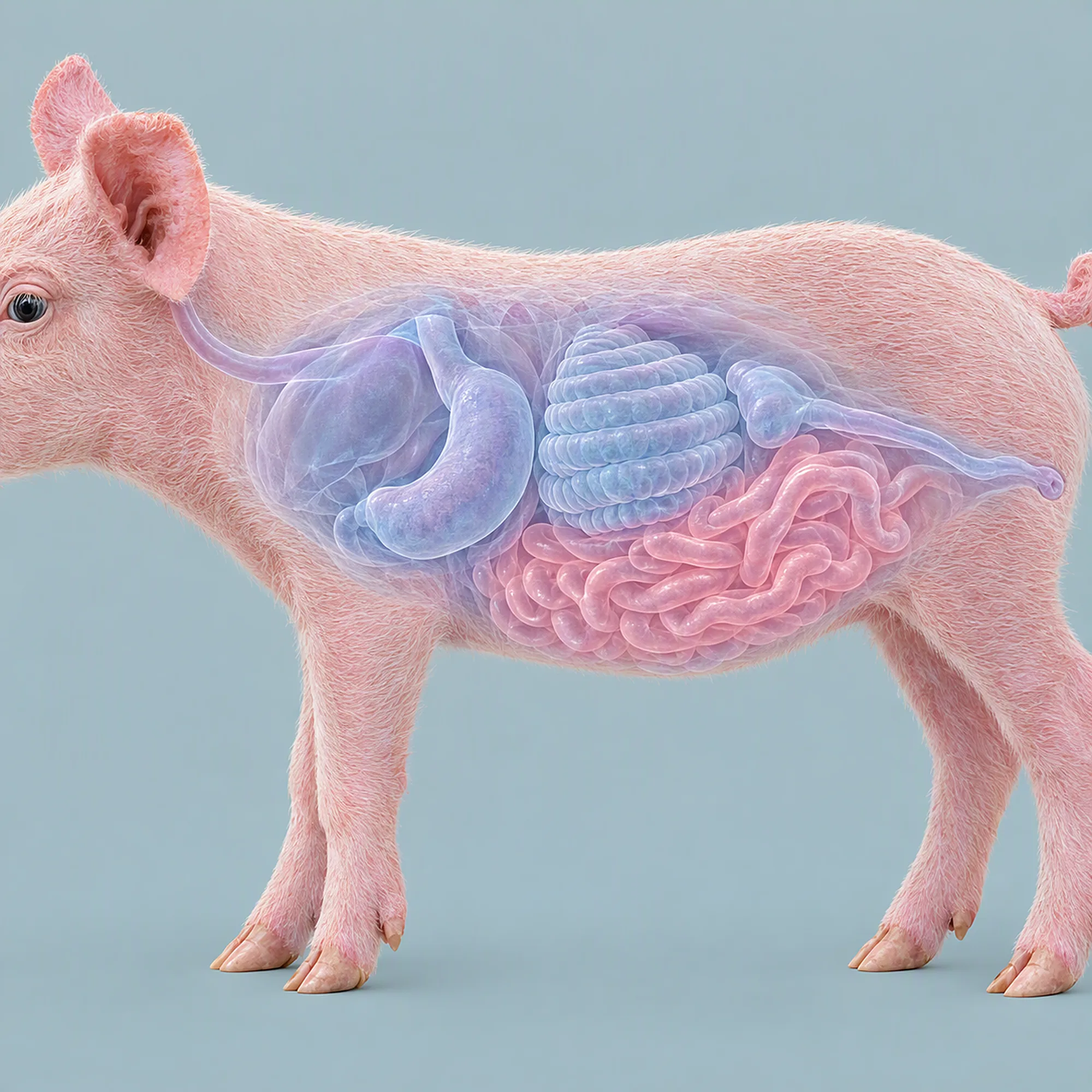
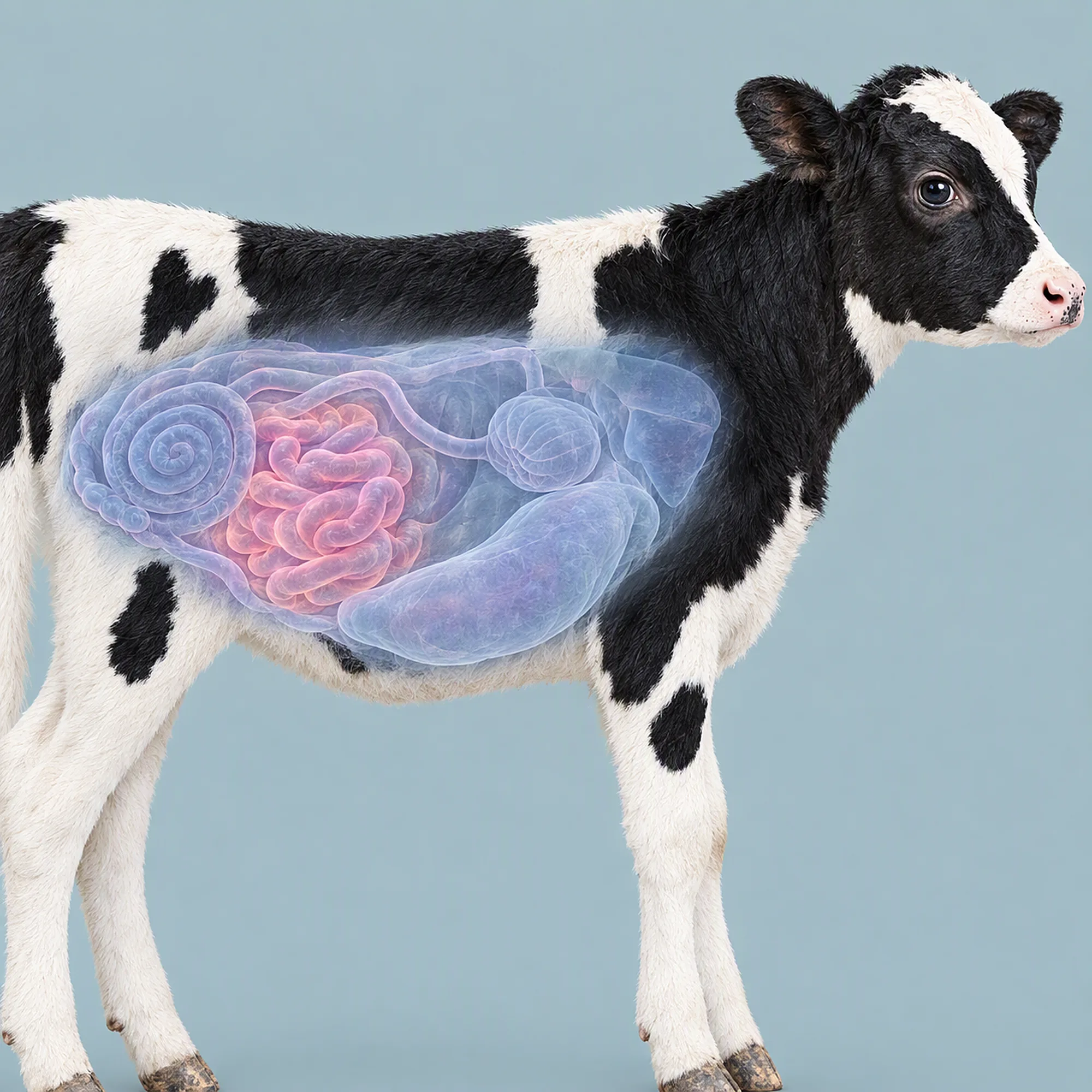
An intestinal problem is rarely just one problem
Think of the intestine as three layers working together. A mucus layer keeps bacteria at a distance. Beneath it, a single layer of cells absorbs nutrients and holds the barrier. And underneath that sits the home of a large part of the immune system. Diet, stress, pathogens, toxins and disease can each disturb one of those layers, and once one gives way, the others tend to follow.
Some disorders announce themselves loudly: coccidiosis, necrotic enteritis, scouring piglets or calves. Others never make a sound. Every time an animal eats, its intestine reacts to the feed with a low level of inflammation. That's normal, but it never fully switches off, and keeping it in check costs energy that would otherwise go into growth. Subclinical inflammation can take 30% or more of an animal's energy requirement. You won't see it in the pen. You'll see it in the feed conversion.
At the same time, the tools many farms relied on are changing. Restrictions on antibiotics, medicated feed and zinc oxide keep tightening. Coccidia are becoming more resistant to the drugs used against them, and no new anticoccidial molecule has reached the market in decades. So the question is shifting from "how do we treat it?" to "how do we keep the intestine strong enough that it doesn't come to that?"
Three layers, one barrier
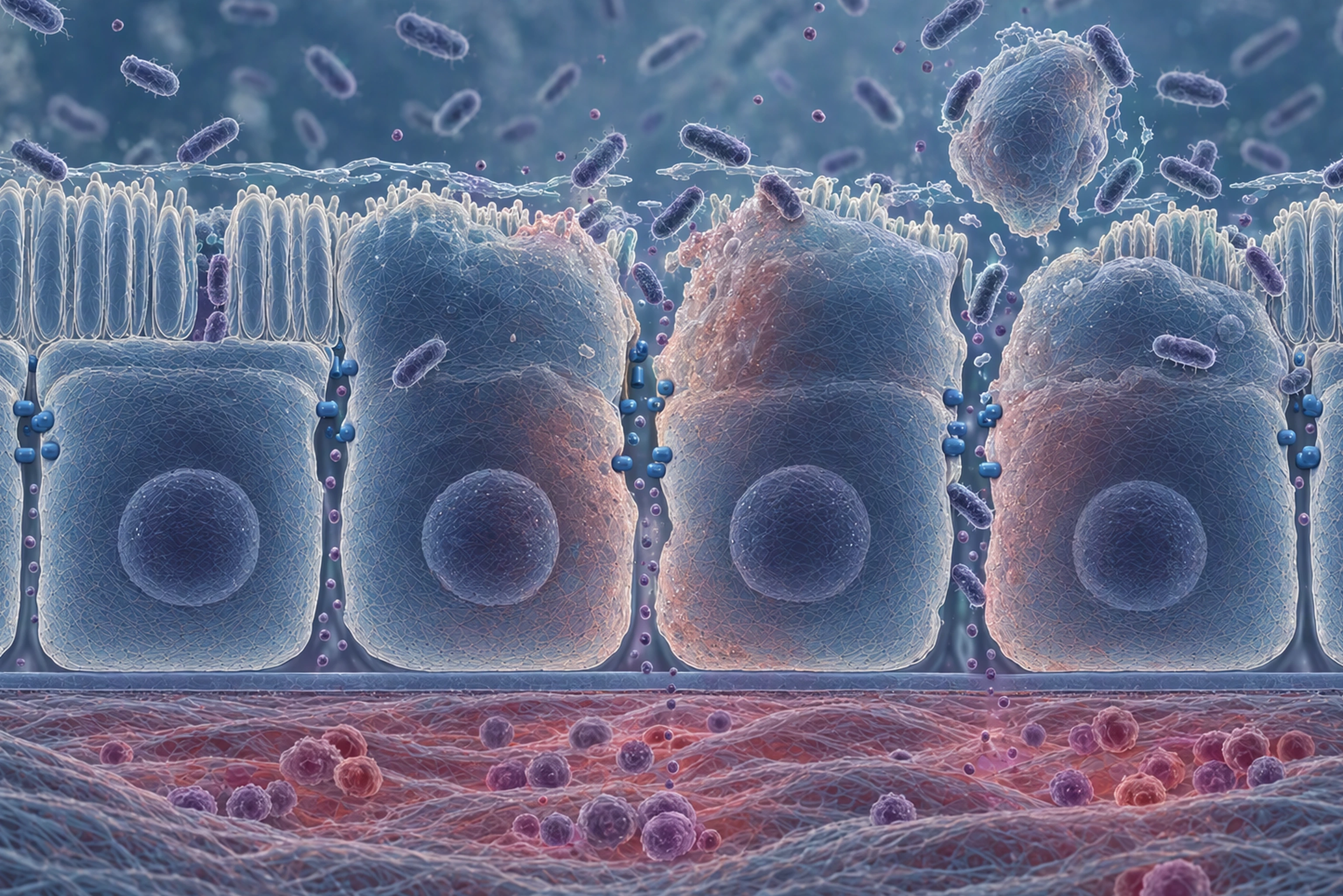
Mucus layer
First line of defence
A layer of mucus keeps bacteria at a distance from the gut wall. When it thins, pathogens reach the cells and attach to them.
Cell barrier
One layer of cells, two jobs
A single layer of cells absorbs nutrients and holds the barrier. When the junctions between the cells open, toxins and bacteria slip through.
Immune system
Inflammation that never fully switches off
Every meal triggers a low level of inflammation. Keeping it in check costs energy that would otherwise go into growth. You won't see it in the pen, you'll see it in the feed conversion.
30%
or more of an animal's energy requirement can go to subclinical inflammation.
Sources: Innovad intestinal health content.
How intestinal disorders affect each species differently
How Innovad helps you keep intestinal disorders in check
Common questions about intestinal disorders
What are intestinal disorders in livestock, and why do they affect performance so much?
An intestinal disorder is anything that disrupts the intestine's ability to digest, absorb and act as a barrier. Some are clinical, like coccidiosis, necrotic enteritis or diarrhoea. Others are subclinical, like chronic intestinal inflammation, and never show obvious symptoms. Because the intestine is where nutrients are absorbed and where much of the immune system sits, any disruption shows up quickly in growth, feed efficiency and health.
What causes intestinal disorders in poultry, swine and ruminants?
Rarely one thing. Changing raw materials and lower-quality ingredients, stress, pathogens such as E. coli, Clostridium perfringens and coccidia, toxins including mycotoxins, and disease can all disturb the intestinal barrier. In practice, several of these act at the same time, which is why a single fix seldom solves the problem for good.
What is chronic intestinal inflammation?
It's a low-grade, ongoing inflammatory response triggered by the feed itself. It happens in every animal, every day, and you can't see it. But the energy spent keeping it under control is energy that doesn't go into growth. Innovad was among the first to clearly define this problem, and continues to study it under real farming conditions.
How can I tell if my animals have a subclinical intestinal problem?
Look at the trends rather than single animals. A feed conversion that drifts upward, uneven growth within a group, changes in droppings or manure, or a need for more treatments than usual can all point to the intestine. Comparing batches over time and discussing them with your veterinarian helps separate a gut issue from other causes.
How can intestinal disorders be managed with less reliance on medication, and what does Innovad offer?
It starts with keeping each part of the intestine strong: supporting early development, keeping inflammation in check, protecting against specific pathogens and helping animals get more energy from their feed. Our gut health solutions are built around exactly those problems. Mycotoxin management reduces one of the hidden pressures on the gut barrier, and Farm Pack delivers liquid support through the drinking water when a challenge needs a fast response.