Broilers, layers and breeders each have specific health needs that influence growth, productivity and profitability. Our experts work alongside you to understand these challenges and guide you towards the right approach for your flock.
Poultry
Poultry health solutions for broilers, layers and breeders
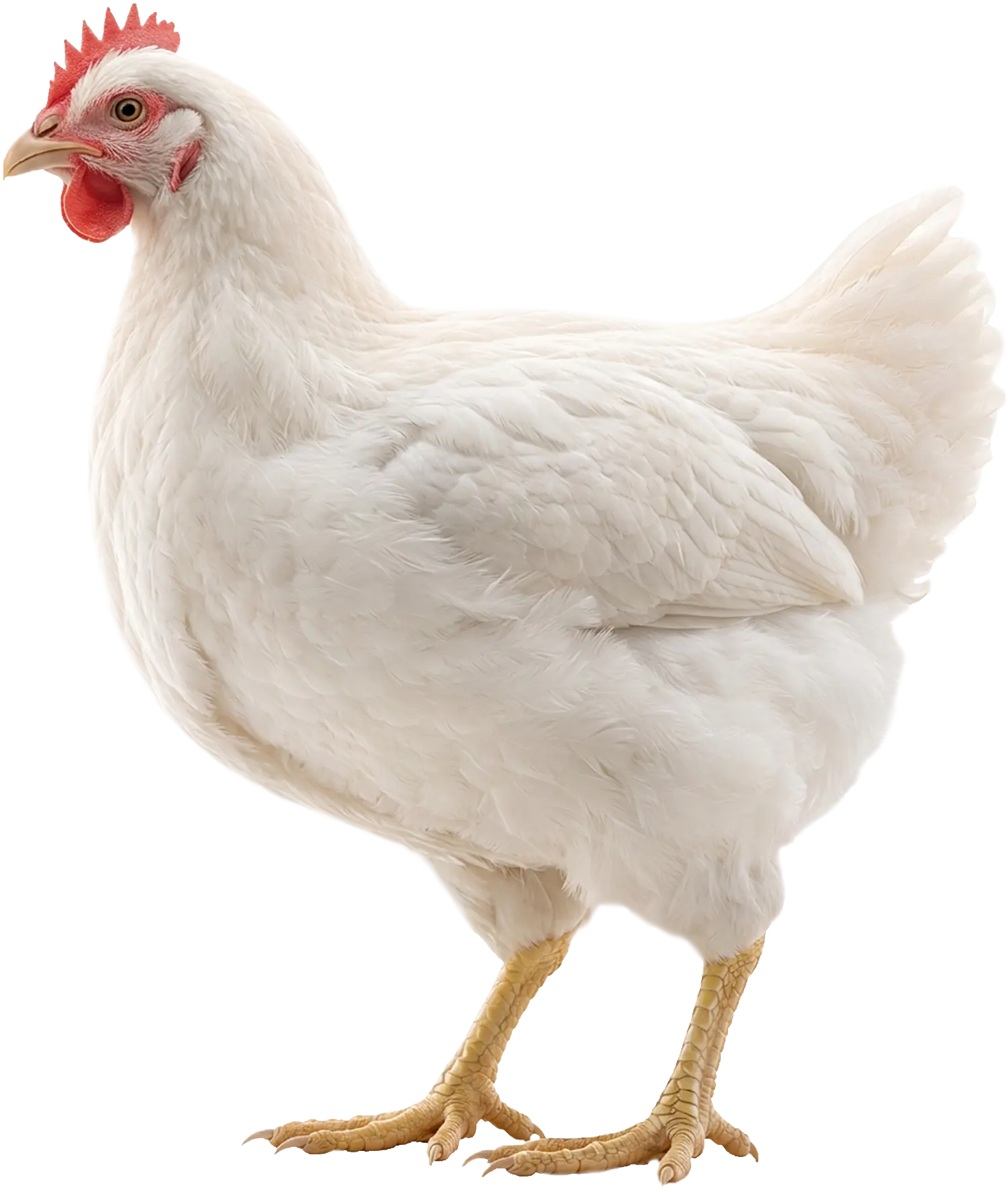
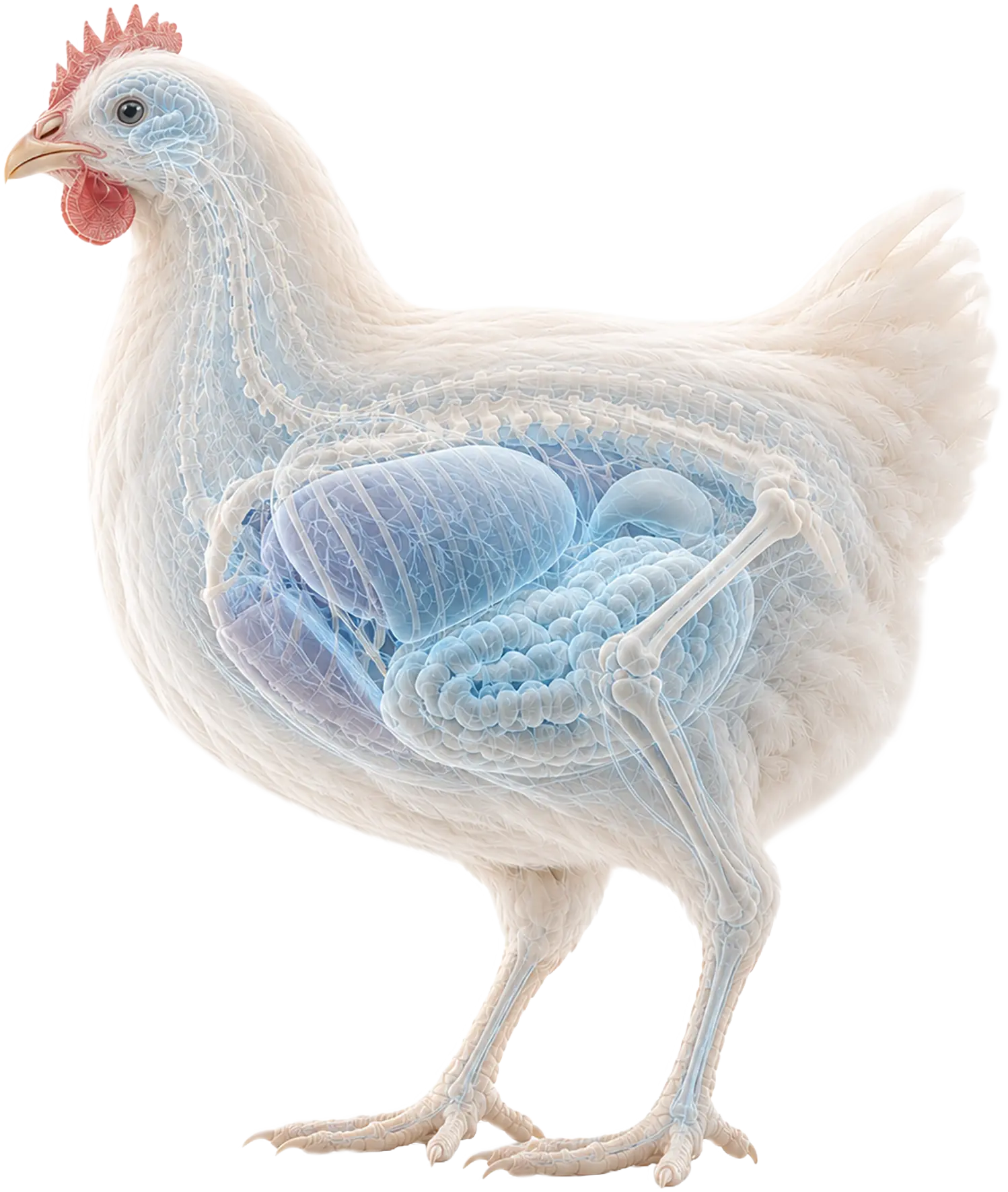
- Fat digestion Young birds can't digest fat well yet
- Heat No sweat glands and a coat of feathers
- Energy Fats hold 2× the energy of carbs and protein
- Gut Up to 30% of energy can go to gut inflammation
Most flock challenges start long before you see them
In poultry production, small changes add up fast. A slow start after placement, a hot week or a batch of feed that isn't what it seems can all shift how a flock grows, lays or hatches.
Many of these pressures stay subclinical. Gut inflammation costs energy every day, young birds can't yet digest fat well, and a flock can look fine while performance quietly slips.
That's why we look at the whole picture: what goes into the feed and water, what happens inside your birds, and what you see in the house.
Five moments that shape your flock's performance
Every moment connects to challenges we explore in depth, with poultry-specific data on what they cost and how to get ahead of them.
-
01
The first days count
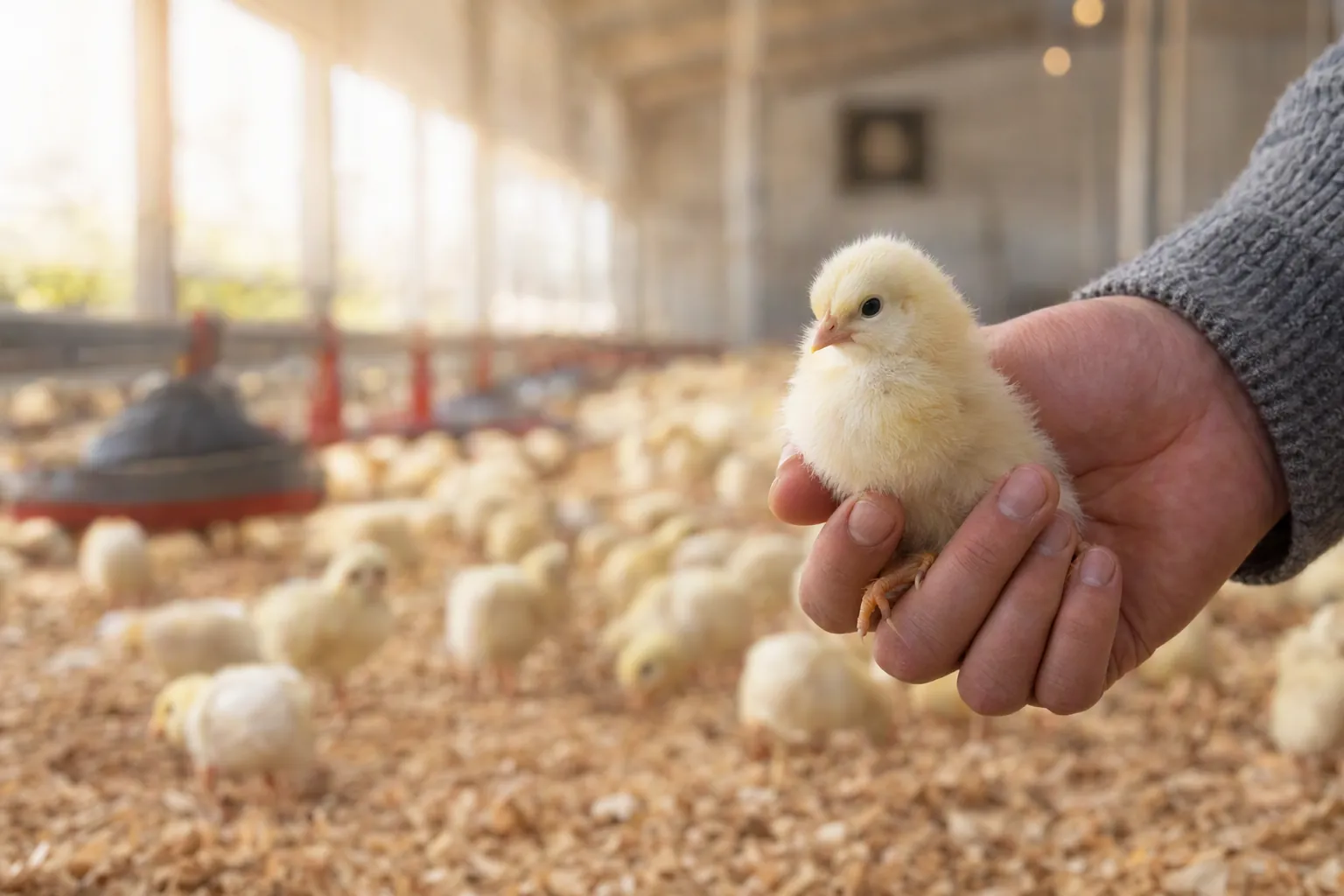
Chicks that don't start eating don't catch up, and young birds can't digest fat well yet. What happens after placement sets the pace for the whole cycle.Related challenges -
02
Fast growth, little margin
Rapid growth puts the gut and liver under constant load. Coccidiosis and necrotic enteritis lead to uneven flocks and a feed conversion that slowly creeps up.Related challenges -
03
Hidden in feed and water
Small birds, big exposure per bite. Mycotoxins, mould, Salmonella and E. coli can reach your birds long before spoilage is visible.Related challenges -
04
Heat, vaccination and handling
With no sweat glands and a coat of feathers, birds eat less and drink more when it gets hot. Every stress peak draws on the same reserves.Related challenges -
05
When the flock looks fine
Performance can drop without a clear cause. Monitoring shows what's happening beneath the surface, before it shows up in your results.Related challenges
How Innovad helps you tackle your poultry challenges
Common questions about poultry health
What are the most common health challenges in poultry production?
Mycotoxin exposure, intestinal disorders such as coccidiosis and necrotic enteritis, heat and immune stress, reduced feed intake in young chicks, poor fat digestion and feed contamination. They often act together and many stay subclinical, so performance can slip before clear signs appear.
How do mycotoxins affect poultry?
Mycotoxins can reach your birds through feed long before mould or spoilage is visible, and small birds take in a big exposure per bite. They can affect health, resilience and performance. Reducing how much contamination reaches the birds, and checking actual exposure with a blood test, helps protect the flock.
What causes intestinal disorders in broilers?
Rapid growth puts the gut and liver under constant load. Coccidiosis and necrotic enteritis are common causes, leading to uneven flocks and a feed conversion that slowly creeps up. Gut inflammation also costs energy every day: up to 30% of energy can go to gut inflammation.
How does heat stress affect poultry?
With no sweat glands and a coat of feathers, birds struggle to lose heat. When it gets hot they eat less and drink more, which can shift how a flock grows, lays or hatches. Every stress peak, from heat to vaccination and handling, draws on the same reserves.
Why is fat digestion a challenge for young birds?
Young birds can't digest fat well yet, while fats hold twice the energy of carbohydrates and protein. When fat isn't digested properly, chicks miss out on energy in the first days after placement, and what happens after placement sets the pace for the whole cycle.