The best diet only works if it's eaten. Managing formulation changes, genetic potential and unfamiliar taste or smell keeps your animals' feed intake consistent, before performance or profit is at risk. It starts with understanding why intake can't be left to chance.
Feed intake & palatability
An animal's feed intake starts with taste and smell
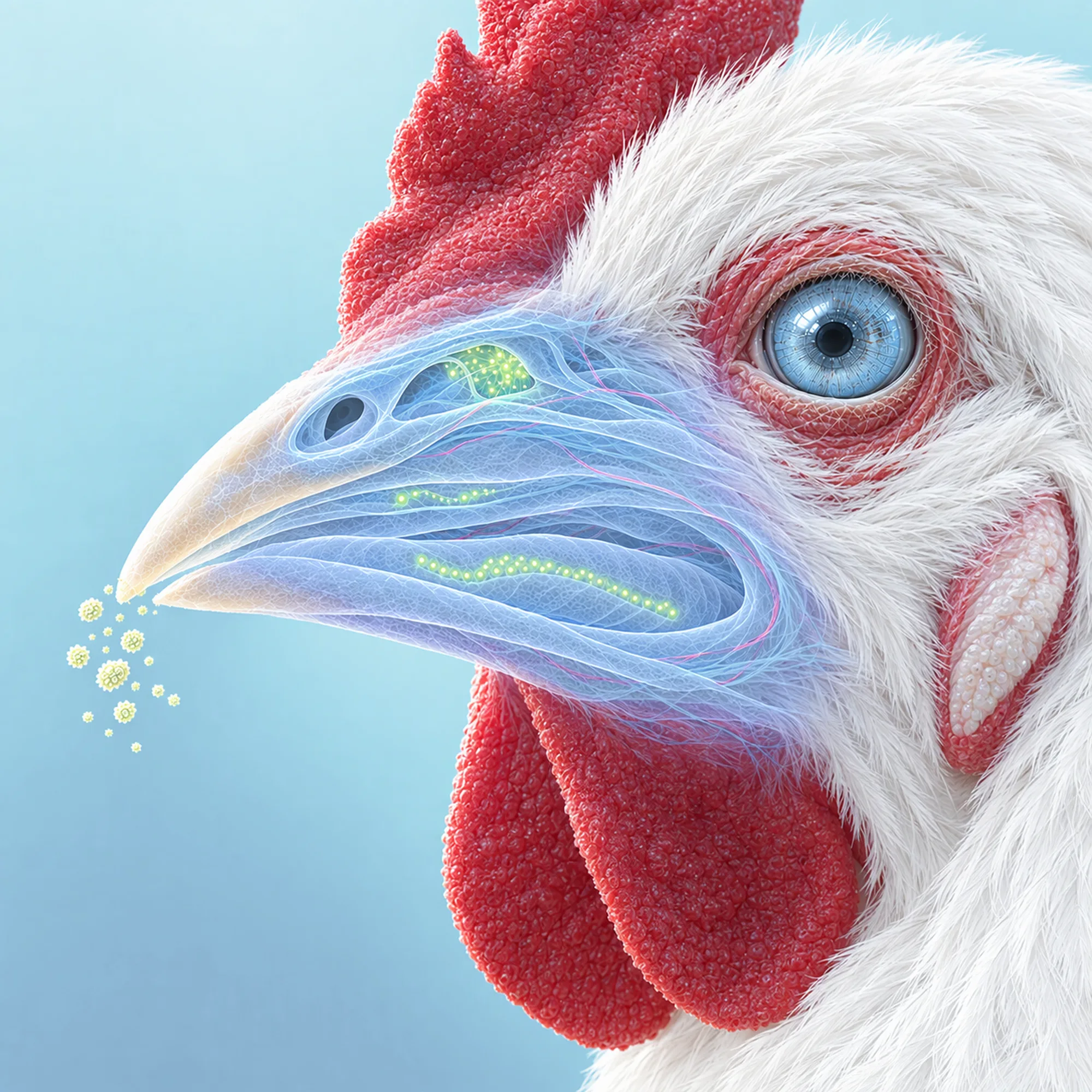
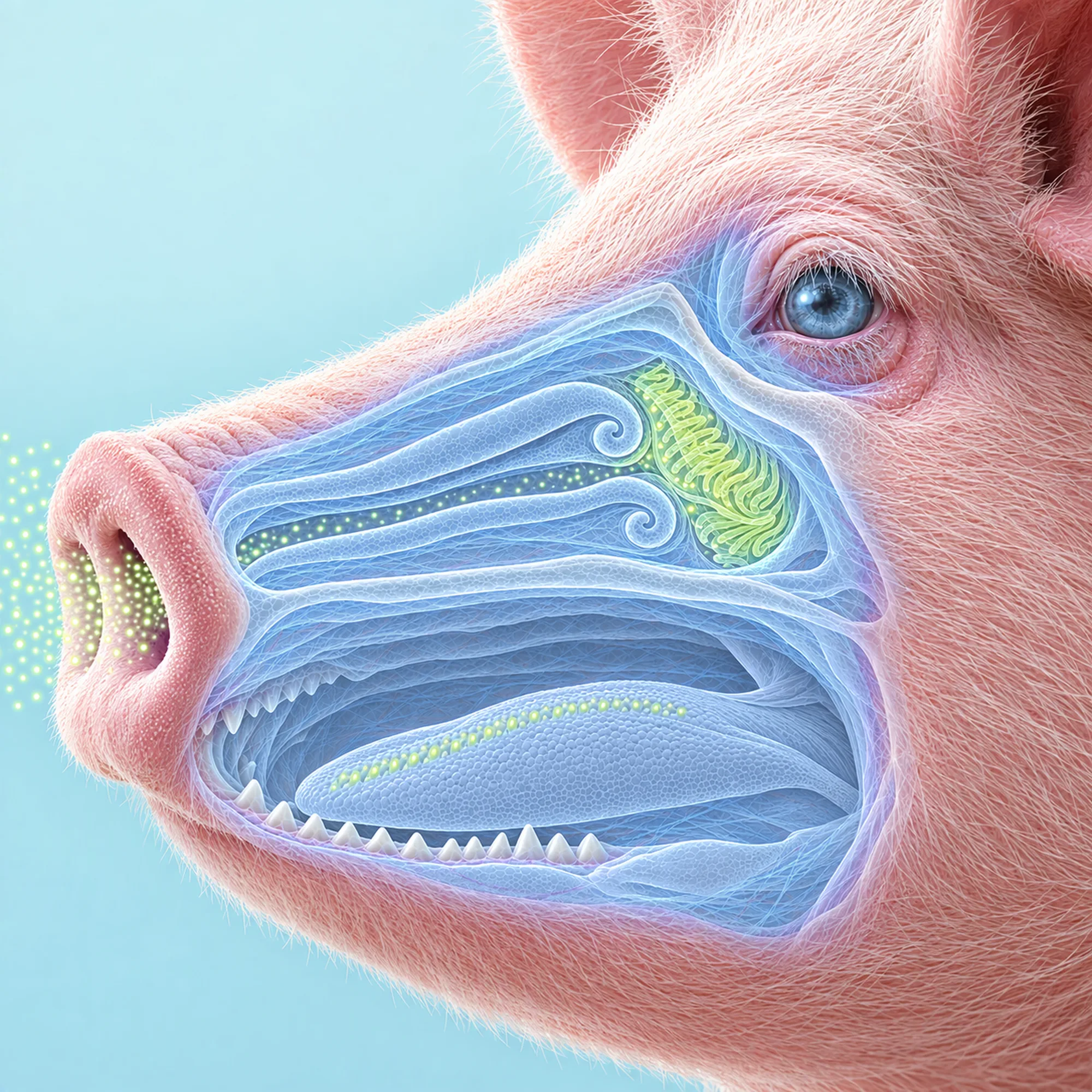
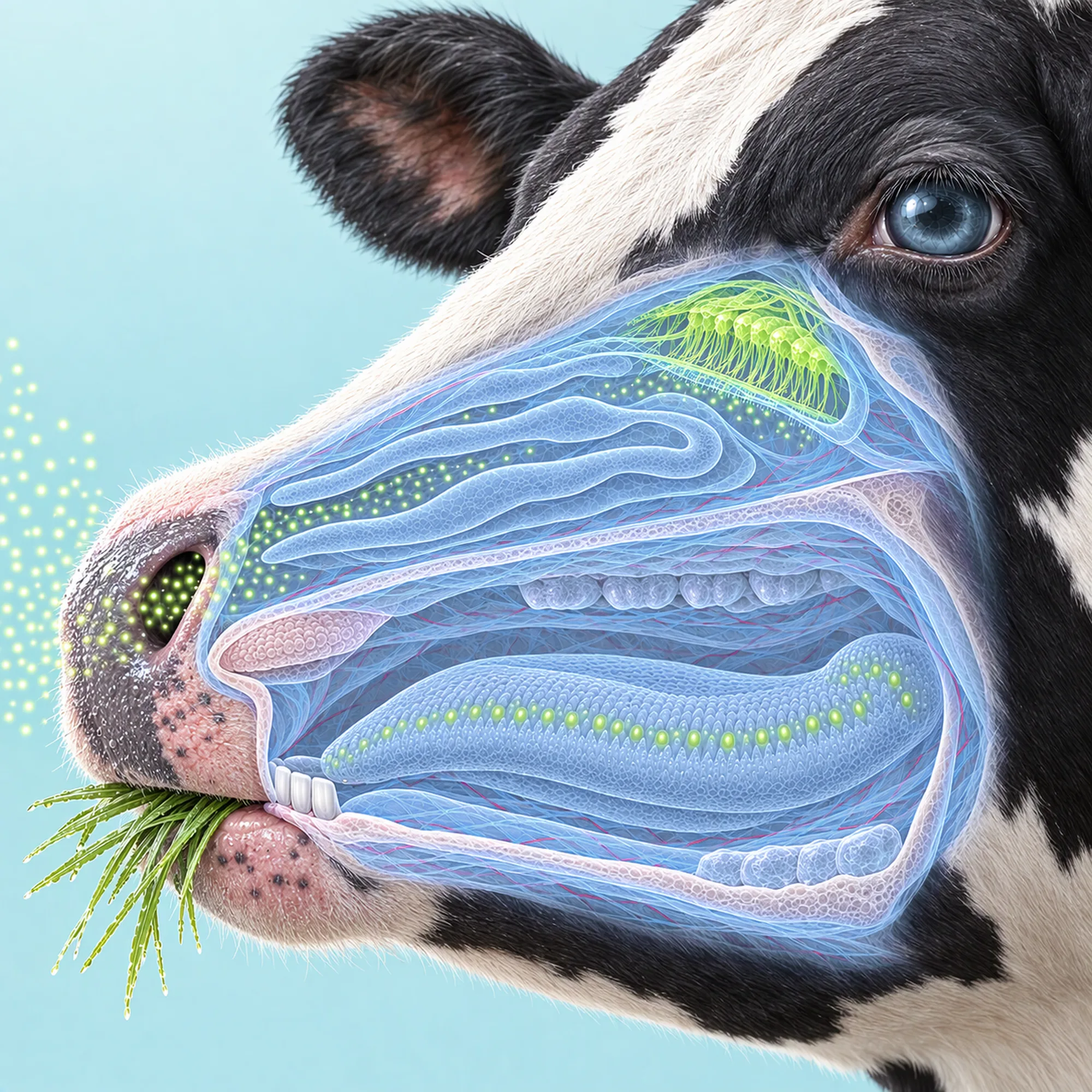
Every lost meal is growth you won't get back
Animals decide what to eat with their nose and tongue first. A diet can be perfectly balanced on paper and still be left in the trough. Minerals, medication and some by-products bring real nutritional value, but also odours and flavours animals instinctively avoid.
What makes this costly is timing. Intake drops exactly when animals need nutrients most: piglets at weaning, chicks in their first days after placement, calves building their rumen, and every animal during a heat wave. Intake lost in these windows is rarely won back.
That's why Innovad builds its palatability expertise around the animal's senses. Our attractants are tailored by aroma and flavour profile, intensity, physical form and inclusion rate for each target species, so the diet you formulate is also the diet your animals choose to eat.
Three moments when appetite slips, and the growth you lose never comes back
Swine · Moment 1 · Piglets · Weaning
Weaning
Piglets stop eating while they adapt to solid feed.
What's at stake
Every day off feed still shows at slaughter.
Act before intake drops, not after.
Palatability support works best when it is already in the diet.
Swine · Moment 2 · Growers · Diet change
Diet switch
A new diet or raw material triggers caution, and pigs eat less for a few days.
What's at stake
Growth stalls exactly when the new diet should push it.
Act before intake drops, not after.
Palatability support works best when it is already in the diet.
Swine · Moment 3 · All pigs · Summer
Heat
Pigs eat less to produce less body heat, while nutrient demand stays high.
What's at stake
Intake lost in a heat wave is rarely won back.
Act before intake drops, not after.
Palatability support works best when it is already in the diet.
Poultry · Moment 1 · Chicks · Days 1-7
First days after placement
Chicks have to find and accept their feed fast.
What's at stake
A slow start shows in final weight and flock uniformity.
Act before intake drops, not after.
Palatability support works best when it is already in the diet.
Poultry · Moment 2 · Broilers · Feed phases
Diet switch
Moving from starter to grower, or a new raw material, makes birds hesitate.
What's at stake
In a short cycle, every hesitation costs gain.
Act before intake drops, not after.
Palatability support works best when it is already in the diet.
Poultry · Moment 3 · All birds · Summer
Heat
Birds eat less to limit the heat their body produces.
What's at stake
Intake lost during a heat wave is hard to recover.
Act before intake drops, not after.
Palatability support works best when it is already in the diet.
Ruminant · Moment 1 · Calves · Weaning
Weaning and rumen start
Calves must eat enough starter to build a working rumen.
What's at stake
A slow rumen start holds back growth for months.
Act before intake drops, not after.
Palatability support works best when it is already in the diet.
Ruminant · Moment 2 · Dairy cows · Ration change
Ration change and transition
A new ration or off-odours make cows sort and eat less.
What's at stake
Lower intake means less milk and a weaker energy balance.
Act before intake drops, not after.
Palatability support works best when it is already in the diet.
Ruminant · Moment 3 · All cattle · Summer
Heat
Cows cut intake to limit the heat produced in the rumen.
What's at stake
Milk yield drops while nutrient demand stays high.
Act before intake drops, not after.
Palatability support works best when it is already in the diet.
Source: Innovad internal data. Moments and outcomes to be validated by the technical team.
What makes your animals walk away from the feeder?

When taste works against the diet
Minerals, medication and some by-products add real value to the ration, but also bitter or unfamiliar notes. Animals respond to them instinctively, and eat less of a diet that is perfectly formulated.
When a new diet triggers caution
A change in raw materials can trigger an alarm reaction, and the group eats more cautiously for a few days, often at transitions such as weaning, when every meal counts.
When heat makes animals eat less
Digesting feed produces warmth animals are trying to get rid of. During heat, they cut back on purpose, and intake drops right when nutrient demand stays high.
Consistent intake, measured where it counts
Palatability isn't a feeling, it's a result. Rather than judging a feed by how it smells to us, or by the first day at the trough, we follow what your animals actually eat, and when. That is where the value of sensory support shows.
Daily feed intake. What is eaten per day and per pen or house, compared over time and between groups.
Intake around transitions. How quickly animals are back on feed after weaning, placement, feed switches or heat.
Growth and uniformity. Whether more animals reach their target weight together, and how even the group stays.
Start with your species. Understand the challenge. Find the solution.