What's in your animal’s feed is only part of the story. When growth slows, feed efficiency drops or fertility disappoints without a clear cause, the answer often lies in what your animals have absorbed. Looking beyond what your animals eat often helps detect the root cause.
Mycotoxin exposure
Understanding mycotoxin exposure starts with knowing what happens inside your animals.
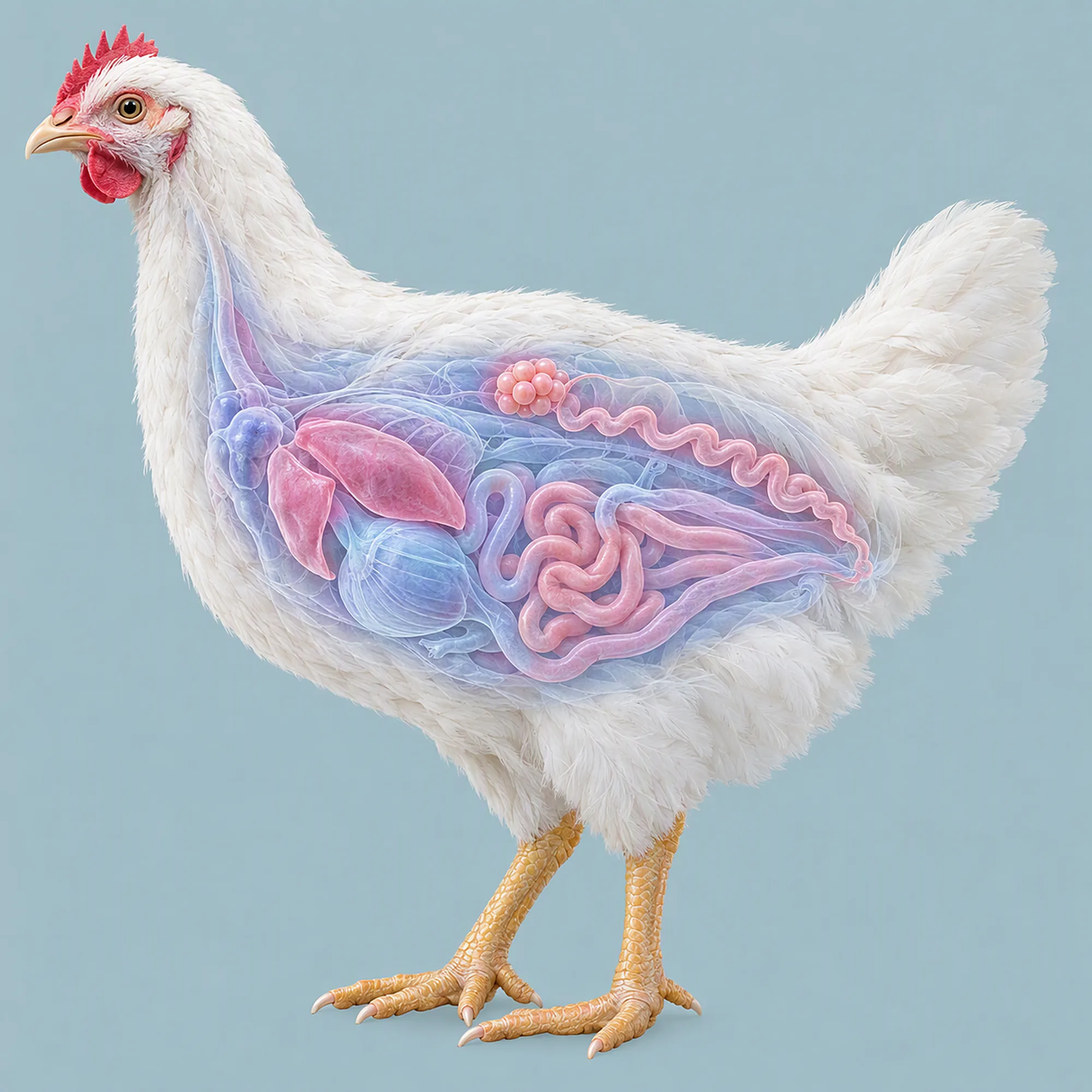
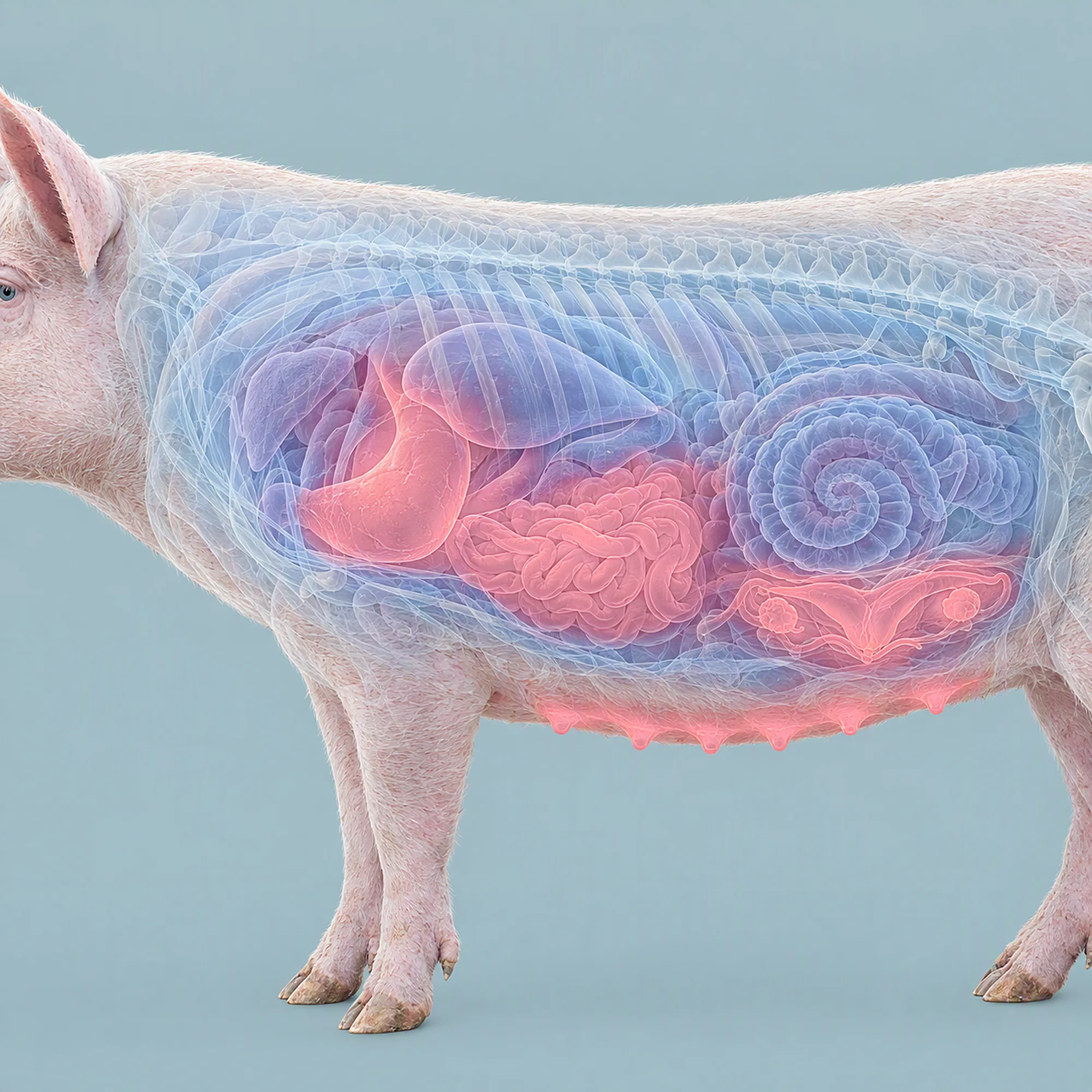
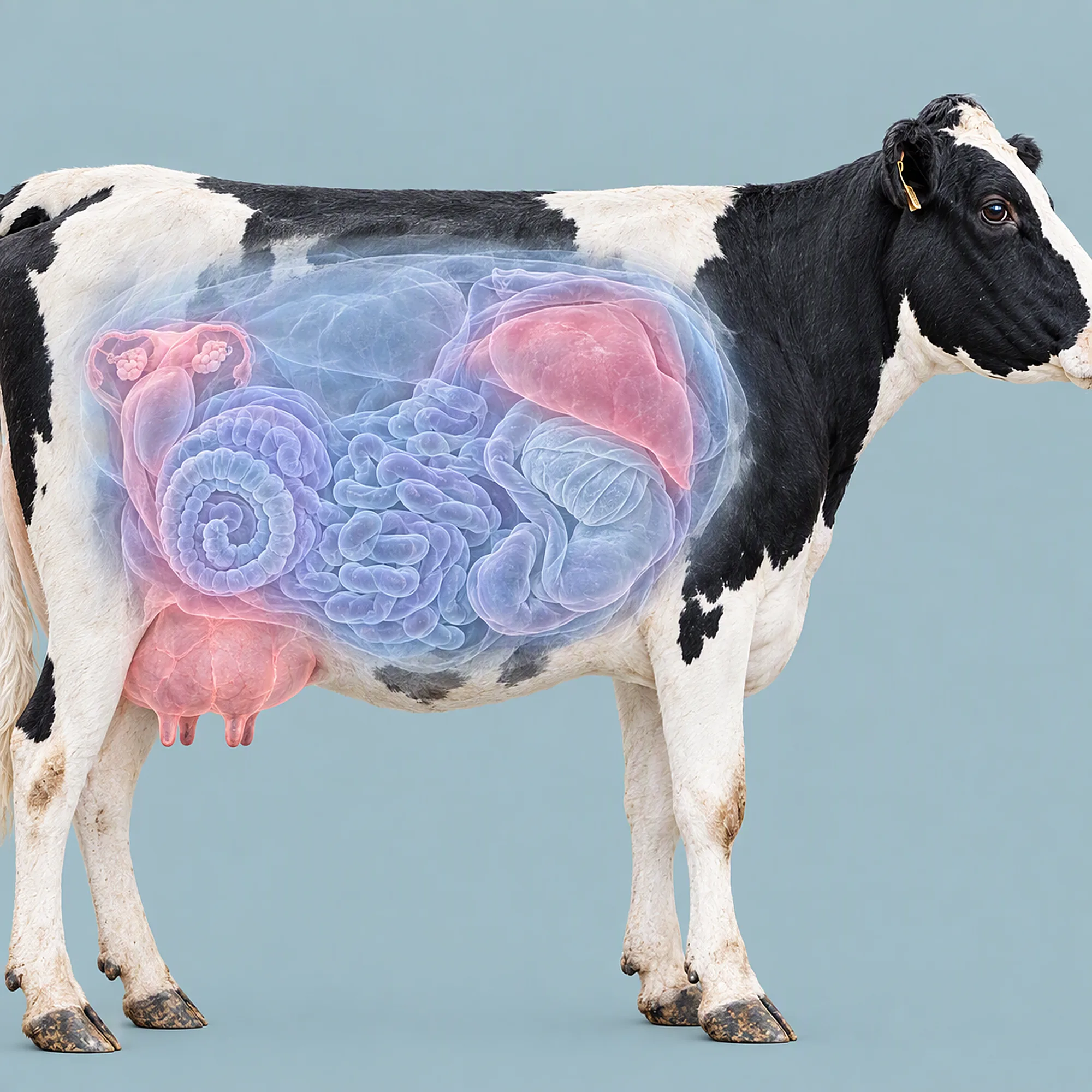
Mycotoxin contamination rarely looks like a problem
Mold can contaminate your feed at almost any stage: in the field, during storage or during feed production. As mold grows, it produces mycotoxins, and rarely just one. Aflatoxins, deoxynivalenol (DON), fumonisins and zearalenone often appear together, alongside the important emerging mycotoxins that routine checks tend to miss.
Once your animals absorb them, mycotoxins quietly weaken gut integrity, immunity and liver function, often before clear symptoms appear. In livestock, exposure can even begin before the first feed, passed on from mother to offspring. So when a cycle disappoints without a clear explanation, mycotoxin exposure may be part of the picture.
Across the livestock industry, this is a constant risk rather than an occasional one. Through Innovad's global feed and raw material survey, our specialists have consistently tracked how mycotoxin risk evolves across regions and harvests. So the question is rarely whether mycotoxins are present. It's how much is reaching your animals, and what that is costing you.
The mycotoxins your animals face, species by species
of poultry blood samples contained tenuazonic acid, an emerging mycotoxin.
Poultry · Top 5 in blood
Healthy looking flocks, hidden exposure
Tenuazonic acid, an emerging mycotoxin, turned up in almost 3 out of 4 poultry blood samples. Routine feed panels rarely test for it.
of swine blood samples contained tenuazonic acid, an emerging mycotoxin.
Swine · Top 5 in blood
More than the routine list
Emerging tenuazonic acid tops the list, right next to ochratoxin A and DON. Exposure is rarely limited to the mycotoxins a routine check looks for.
of ruminant blood samples contained enniatin B, an emerging mycotoxin.
Ruminant · Top 5 in blood
The rumen doesn't stop them all
Enniatins were found in most ruminant blood samples. The rumen breaks down some mycotoxins, but these emerging ones still reach the animal.
of compound aquafeed samples carry at least one mycotoxin.
DON guidance value, complete feed (ppm)
Aqua · Feed data
Sensitive species, tighter limits
From July 2027 the EU sets a DON guidance value of 0.5 ppm for aquafeed, stricter than for pigs. Emerging mycotoxins such as enniatins and beauvericin are common in aquafeed but not regulated, and exposure can build up without visible signs.
Lower = stricter. Aquatic animals now have the strictest DON value in EU feed guidance.
Sources: Innovad Biomonitoring+ Program (>10,000 animals tested; poultry, swine, ruminant blood data). Aqua: R. Gonçalves (Innovad), International Aquafeed, Sept 2026; Recommendation (EU) 2026/1801.
Different species, different signs: how mycotoxins impact your animals' health
How Innovad helps you get mycotoxin exposure under control
Common questions about mycotoxin exposure
What is mycotoxin exposure and how does it affect animal health and production?
Mycotoxin exposure is what happens once your animals absorb the toxins mold produces in feed. It's different from feed contamination, which only tells you what's in a sample. Once absorbed, mycotoxins can weaken gut integrity, immunity and liver function, often before clear symptoms appear, and can quietly affect growth, feed efficiency and fertility.
Which animal species are most vulnerable to mycotoxin exposure?
Every species responds differently. In poultry, exposure can reach the embryo through the egg and weaken immunity from the start. In swine, it reduces feed intake and growth, and can pass from sow to piglet during gestation and through milk. In ruminants, the rumen breaks down some mycotoxins but not all, so exposure can still affect fertility and milk yield. In aqua species, it can slow growth and weaken stress resilience.
What are the early warning signs of mycotoxin exposure in livestock?
Mycotoxin exposure rarely looks like a mycotoxin problem. Instead, you might see a disappointing cycle, slower growth, lower feed efficiency or fertility problems with no clear cause. Because these signs overlap with other challenges, exposure is often missed until performance has already been affected.
What causes mycotoxin exposure and what conditions increase risk on-farm?
Mold can contaminate feed at almost any stage, in the field, during storage or during feed production. Weather, crop quality and storage conditions all influence which mycotoxins form and in what combination. Mycotoxins rarely occur alone. In Innovad's feed and raw material survey, 83% of samples carried at least one mycotoxin, and 60% contained two or more.
How can mycotoxin exposure be assessed, and what does Innovad offer?
Feed analysis shows what was in a sample, not what reached your animals. Biomonitoring+ measures actual exposure from a single drop of blood, giving you evidence to act on. From there, mycotoxin management turns that insight into a targeted strategy, and Farm Pack offers liquid support through the drinking water when exposure needs an immediate response.