It’s about more than animal health, it’s about protecting performance, welfare, and profitability. Because real exposure lives in the bloodstream, not just the feed, we pair precision blood-based biomarker analysis with proven mitigation strategies, so you can act on real evidence before performance is lost.
Mycotoxin management
Protect animal health and performance with effective mycotoxin management
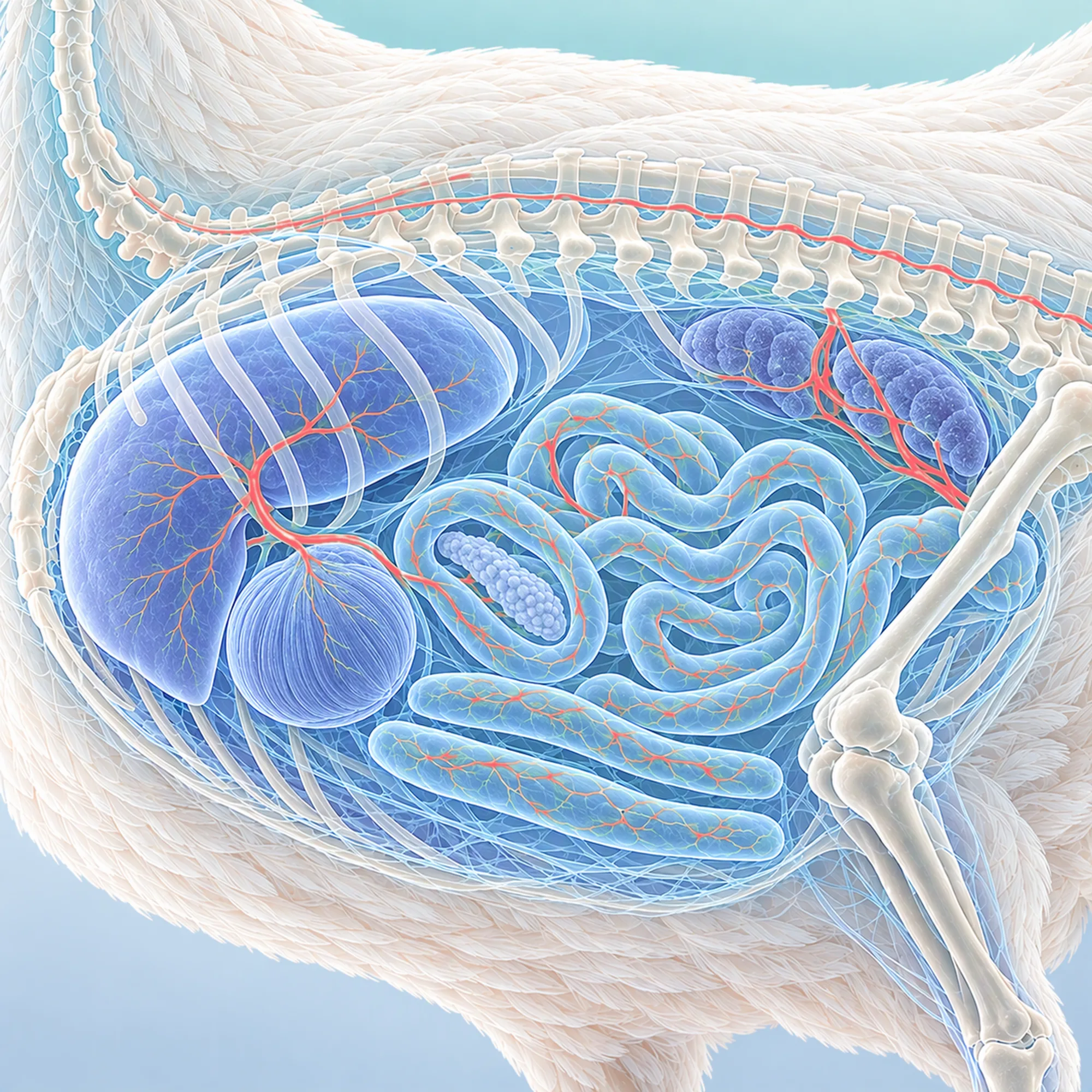



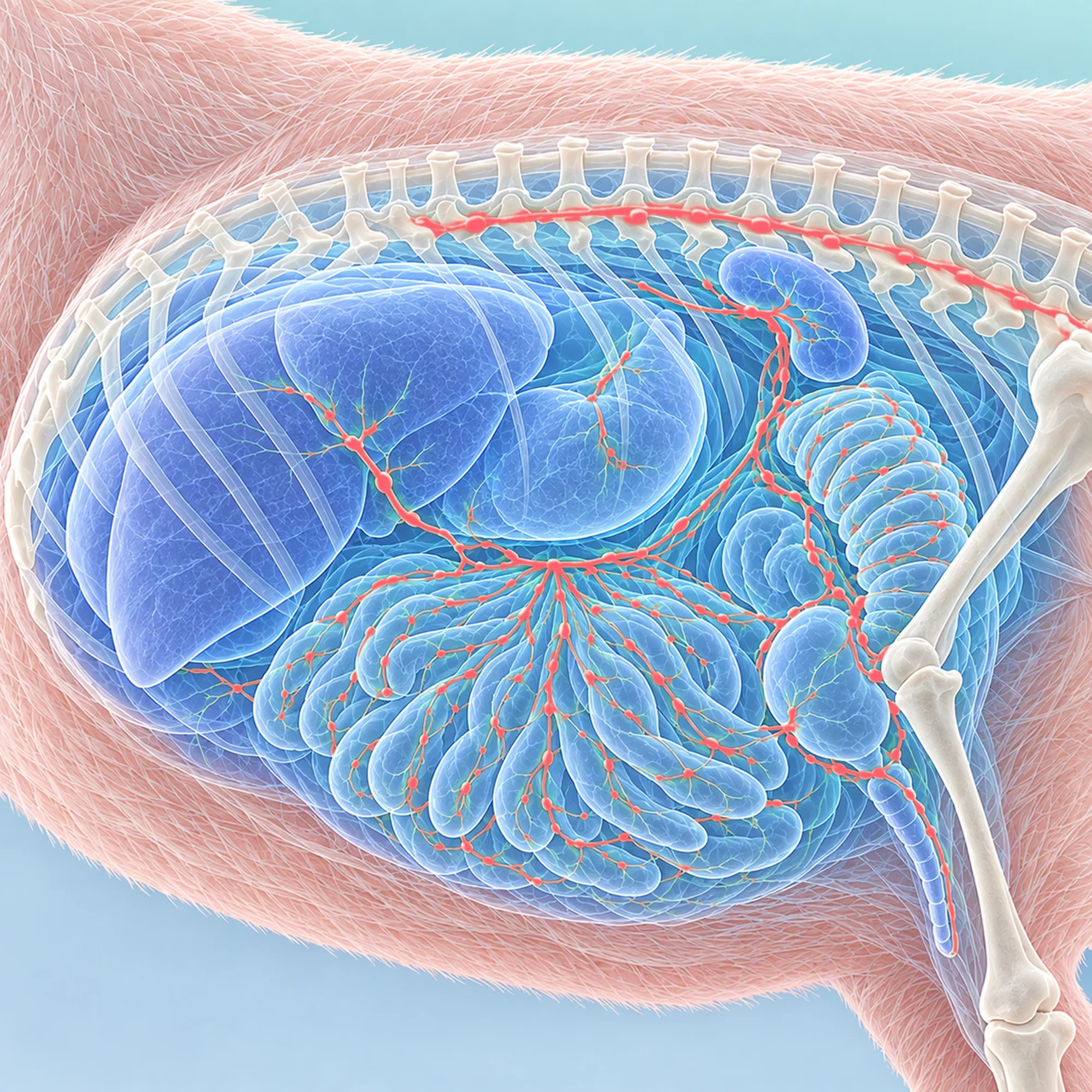
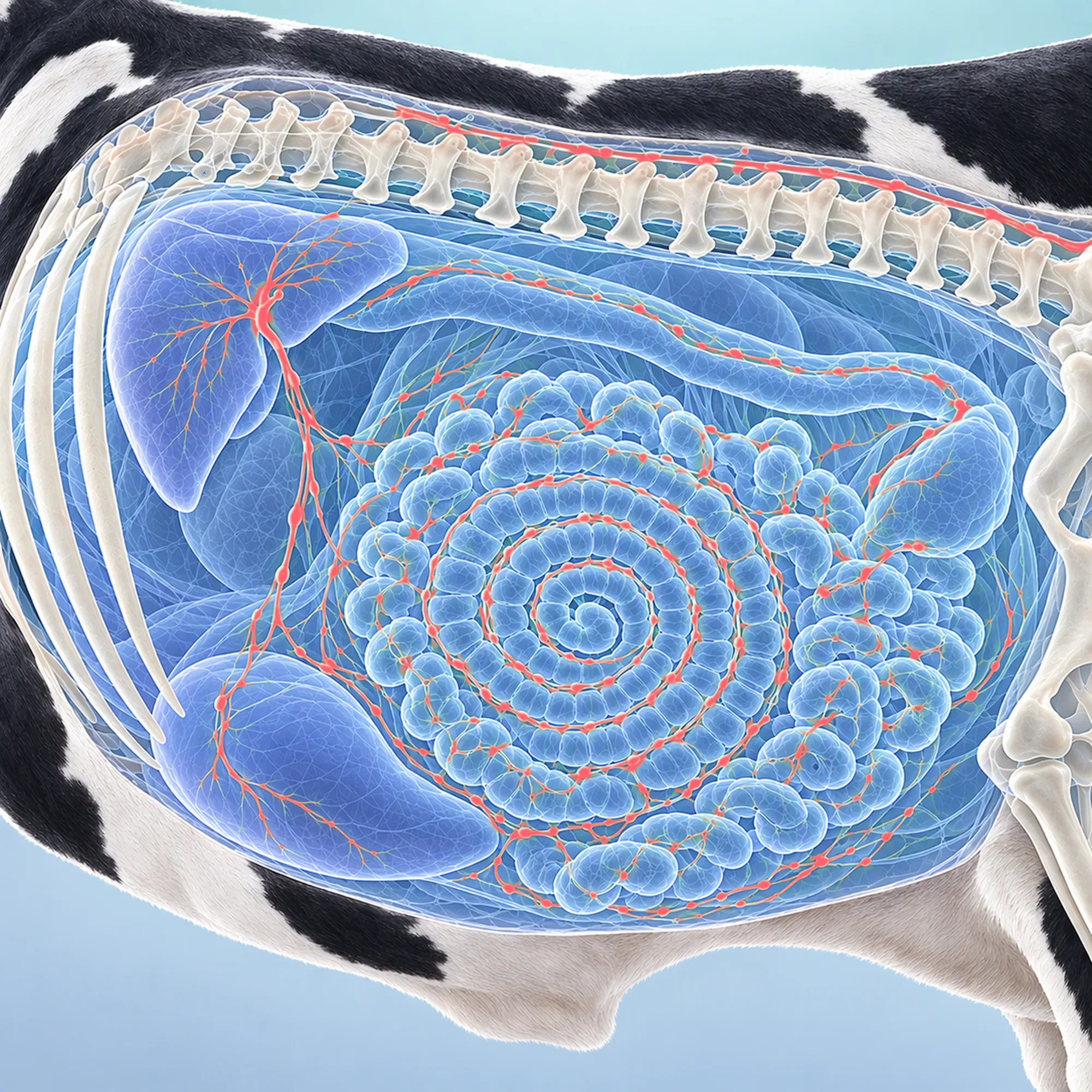
In 82% of farms, blood revealed mycotoxins that feed analysis missed
Mycotoxin exposure is one of the most costly risks in your animal production, and one of the least detected. If left unmeasured, it strains the liver and kidneys, drives oxidative stress, and suppresses immunity, quietly pulling performance and profit out of every one of your cycles before any symptom shows.
Most control programs never catch it, because they stop at the feed bunk. A feed test tells you what went into your feed bin, not what your animals actually absorbed. Closing that gap starts with measuring the animal itself: blood-based biomarker data shows what’s really circulating, turning mitigation from a guess into a targeted decision.
Where each mycotoxin hits, species by species
Choose a species and a target in the animal to see which mycotoxins do damage there.
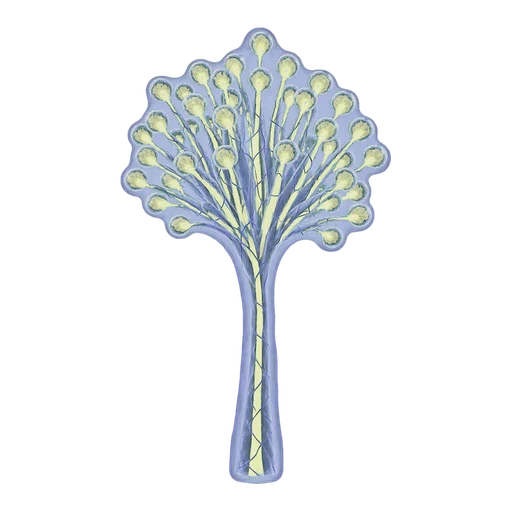
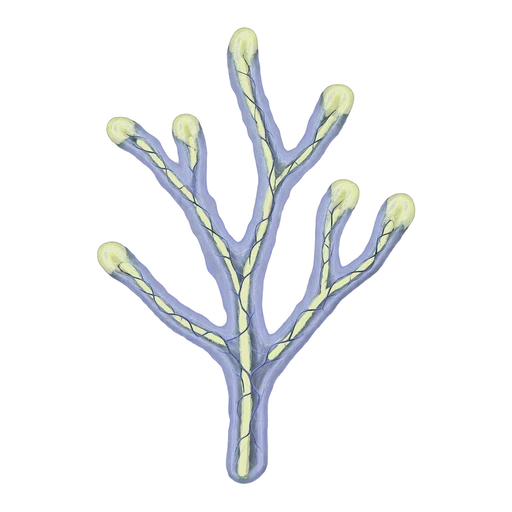
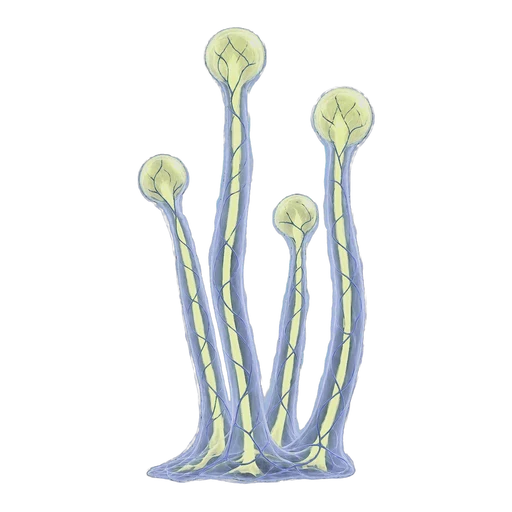
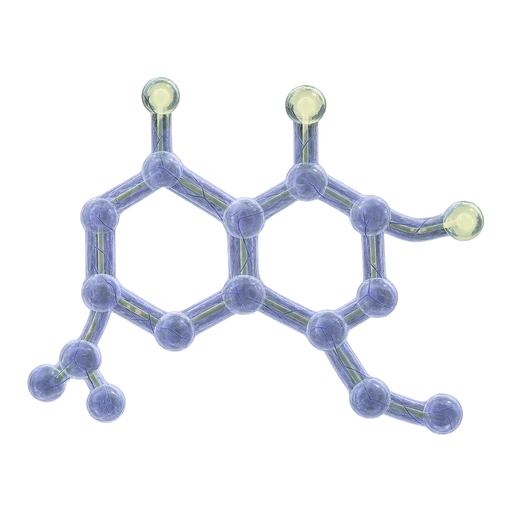
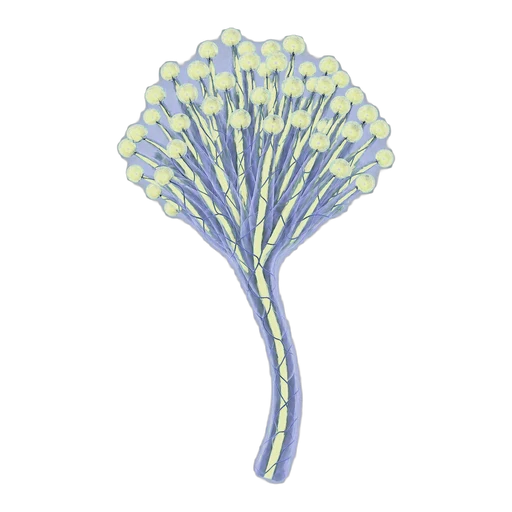
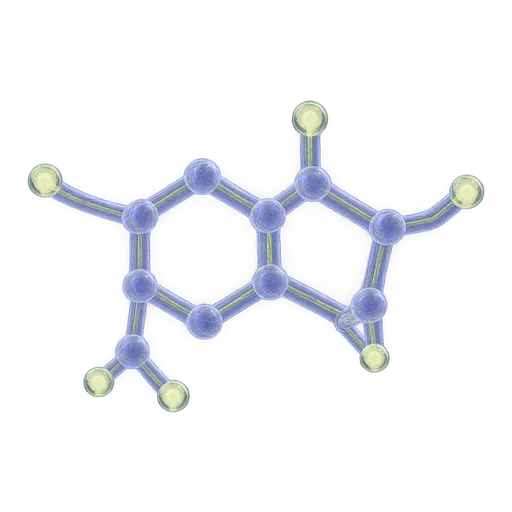
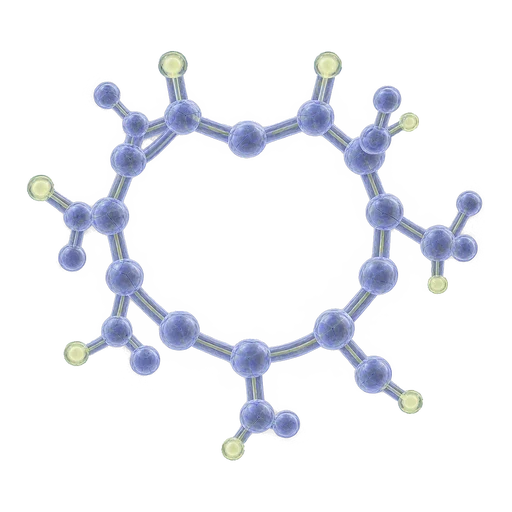
- Main target
- Also affected
Poultry · Gut
Main mycotoxins
Fumonisins, T-2 / HT-2 (also affected: DON, Emerging mycotoxins)
Poultry · Liver
The liver carries the load
Poultry are highly sensitive to aflatoxins, which build up in the liver and weaken immunity and vaccine response. Ochratoxin A adds to the strain on liver and kidneys.
Main mycotoxins
Aflatoxins (also affected: ochratoxin A, fumonisins)
Poultry · Kidneys
Main mycotoxins
Ochratoxin A
Poultry · Immunity
Main mycotoxins
Aflatoxins, T-2 / HT-2 (also affected: DON, Ochratoxin A, Emerging mycotoxins)
Poultry · Reproduction
Also affected
Zearalenone
Poultry · Feed intake & growth
Also affected
Aflatoxins, DON, T-2 / HT-2
- Main target
- Also affected
Swine · Gut
The gut takes the first hit
In pigs, DON damages the gut lining at low levels. A weaker gut barrier lets more toxins and pathogens through, and pigs respond by eating less. Other mycotoxins add to that pressure.
Main mycotoxins
DON (also affected: T-2/HT-2, fumonisins, emerging)
Swine · Liver
Main mycotoxins
Aflatoxins (also affected: Fumonisins)
Swine · Kidneys
Main mycotoxins
Ochratoxin A
Swine · Immunity
Main mycotoxins
DON (also affected: Aflatoxins, Ochratoxin A, T-2 / HT-2, Emerging mycotoxins)
Swine · Reproduction
Main mycotoxins
Zearalenone
Swine · Feed intake & growth
Main mycotoxins
DON (also affected: Aflatoxins, T-2 / HT-2)
- Main target
- Also affected
Ruminant · Gut
Also affected
DON, T-2 / HT-2, Emerging mycotoxins
Ruminant · Liver
Also affected
Aflatoxins, Fumonisins
Ruminant · Kidneys
Also affected
Ochratoxin A
Ruminant · Immunity
Also affected
Aflatoxins, T-2 / HT-2
Ruminant · Reproduction
The rumen does not catch everything
The rumen breaks down part of some mycotoxins, but not all. Zearalenone can still disturb fertility in dairy cows, and high-yielding animals remain exposed.
Main mycotoxins
Zearalenone
Ruminant · Feed intake & growth
Also affected
DON
- Main target
- Also affected
Aqua · Gut
Main mycotoxins
DON (also affected: Fumonisins, T-2 / HT-2, Emerging mycotoxins)
Aqua · Liver
Main mycotoxins
Aflatoxins (also affected: Fumonisins, Ochratoxin A)
Aqua · Kidneys
Main mycotoxins
Ochratoxin A
Aqua · Immunity
Also affected
Aflatoxins, T-2 / HT-2, Emerging mycotoxins
Aqua · Reproduction
Also affected
Zearalenone
Aqua · Feed intake & growth
Lower intake, slower growth
With more plant-based ingredients in aquafeed, DON exposure rises. Fish respond with lower feed intake and slower growth, often without visible signs.
Main mycotoxins
DON (also affected: aflatoxins)
Simplified overview of main target organs per mycotoxin and species, for review by the Innovad technical team.
Have you looked beyond the symptoms of your animals’ intestinal disorders?
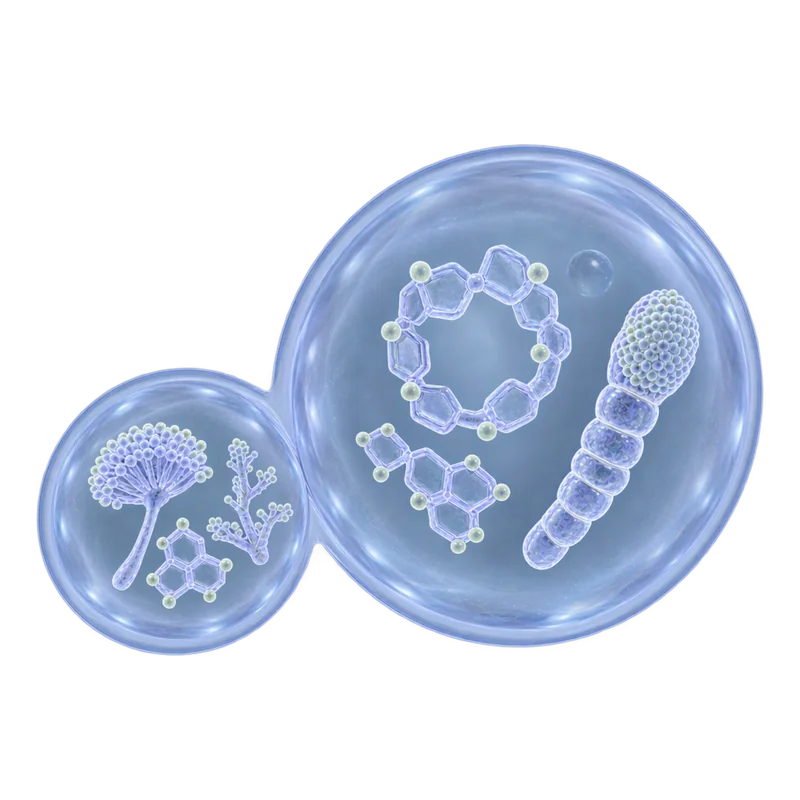
When emerging mycotoxins outnumber the regulated ones
Mycotoxin control has long focused on regulated compounds like aflatoxins and deoxynivalenol. But emerging mycotoxins appear even more frequently, and carry real, confirmed toxicity. In 67% of farms analyzed, they showed up in blood, unseen by traditional testing.
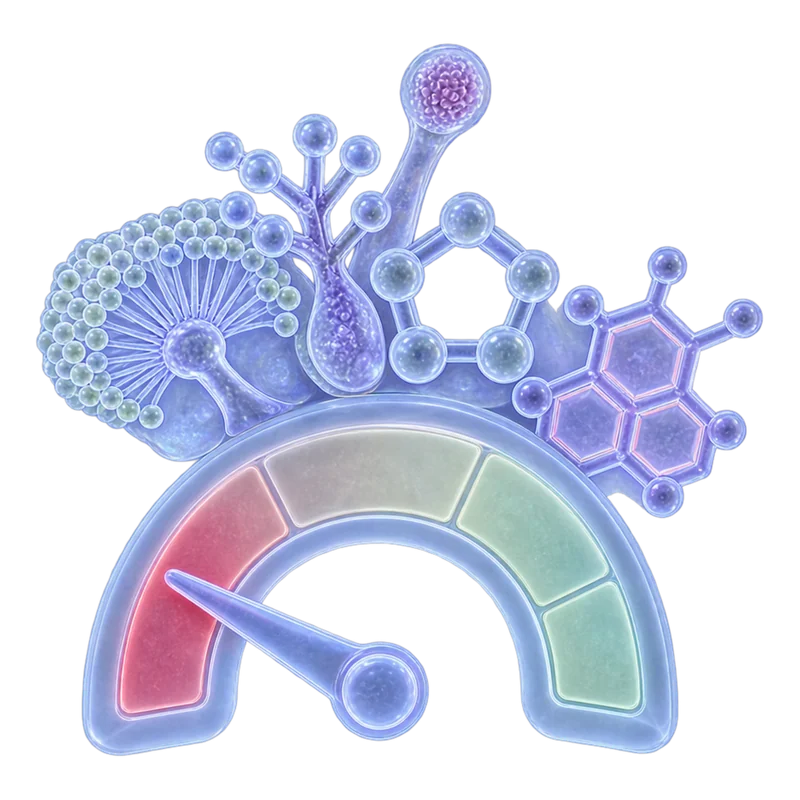
When multiple toxins compound the damage
It’s rare for an animal to face just one mycotoxin at a time. In our analysis, we found that 50% of farms had animals exposed to 5 or more mycotoxins simultaneously, a combination that compounds toxicity well beyond what any single-toxin threshold accounts for.
When performance drops before symptoms show
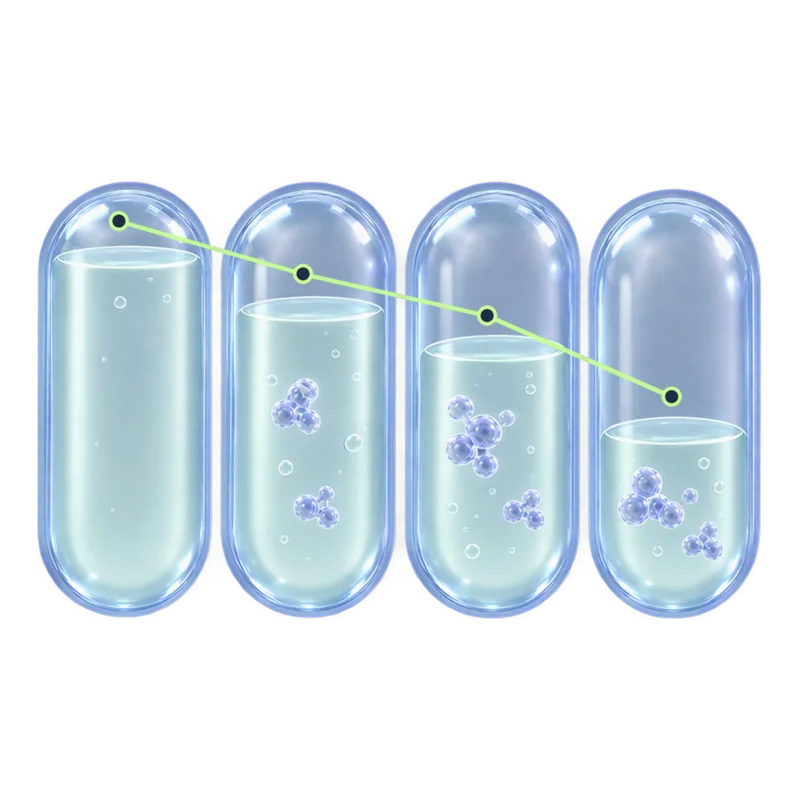
Not every mycotoxin challenge announces itself with a lesion or a drop in feed intake. Levels once assumed harmless have been shown to quietly erode weight gain and feed conversion long before anything looks visibly wrong.
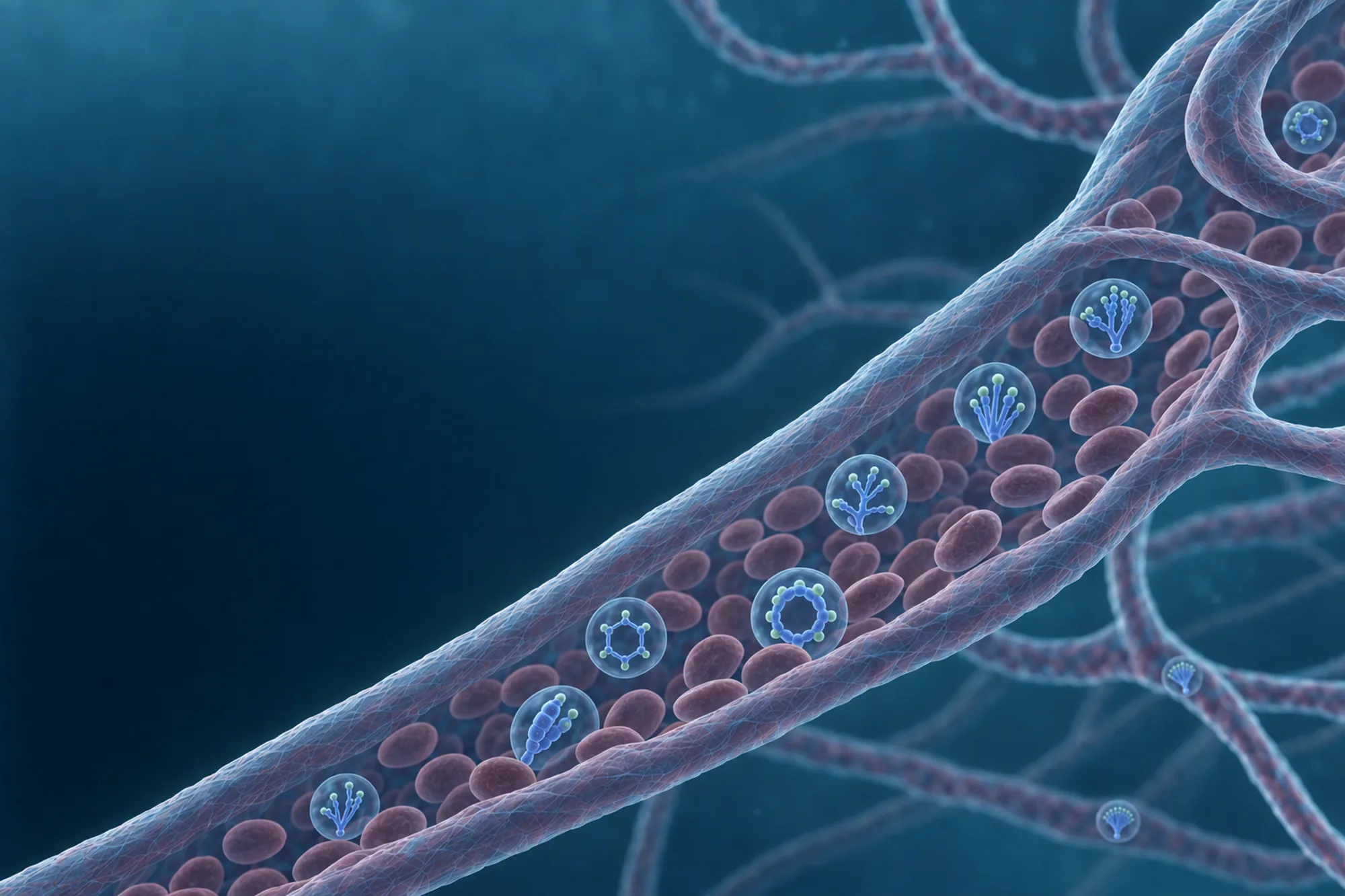
Measuring the true depth of mycotoxin exposure in your animals’ blood
Our Biomonitoring+ program tracks a full panel of biomarkers in blood, including conjugated and emerging mycotoxins, giving you a complete picture of exposure rather than a partial one.
Even when mycotoxins are barely detectable, they can still trigger immune stress and reduce productivity, so catching them early means you can act before small problems become big ones.
Start with your species. Understand the challenge. Find the solution.